
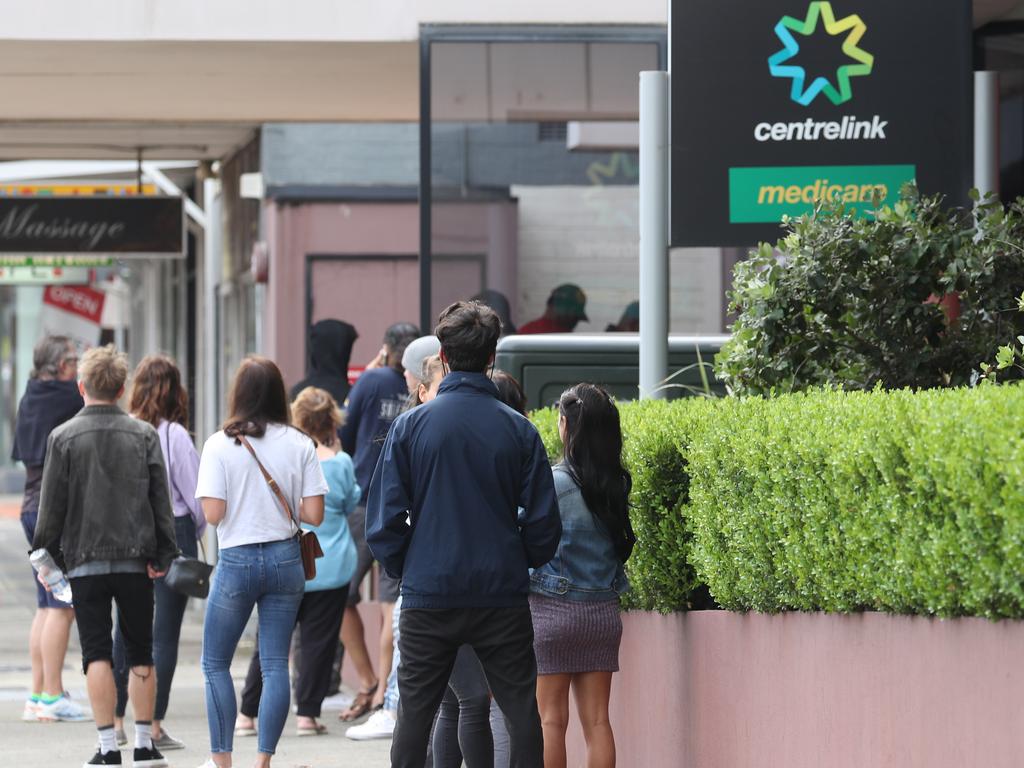
“Dear community:
I am writing this open letter to shed light on the immense challenges faced by individuals and families who are unemployed and living on a low income. It is crucial that we recognise and address the hardships they endure on a daily basis, as they navigate through a complex web of financial constraints.
One of the significant difficulties is the inability to take advantage of low prices, sales, and discounts. While this may seem like a minor inconvenience to some, it has a profound impact on individuals with limited means. The inability to access affordable goods and services perpetuates a cycle of financial strain, making it even more challenging to make ends meet.
Accessing healthcare becomes a particularly daunting task for those on a low income. Many local doctors do not offer bulk billing services, which means individuals must bear the burden of increased medical expenses. This forces them to travel further to find more affordable healthcare options, exacerbating both the physical and financial challenges they face. Moreover, the costs associated with transferring medical history further add to their financial strain, making it even more difficult to access essential medical care.
Living from one week to another on a low income without any opportunity for savings is an overwhelming reality for many individuals. The absence of a financial safety net leaves them vulnerable to unexpected expenses and perpetuates a constant state of financial insecurity. The inability to save for emergencies, education, or future endeavours hampers their prospects for economic stability and personal growth.
Furthermore, the issue of rental stress and housing affordability adds an additional layer of hardship for those on a low income. The rising cost of housing, coupled with limited financial resources, often leads to housing instability and homelessness. The struggle to secure safe and affordable housing not only affects an individual’s overall well-being but also has a cascading impact on their mental and physical health.
Beyond the financial challenges, individuals facing unemployment and low income also experience prejudice and stigma. Society’s negative perceptions and stereotypes against those in low-income situations further isolate and marginalise them. This prejudice hampers their ability to access opportunities, support, and fair treatment, making it even more challenging to break free from the cycle of poverty.
We must come together as a community to address these pressing issues. It is imperative that we advocate for policies and initiatives that provide equal access to affordable goods, services, and healthcare. We must work towards creating a society that values and supports the dignity and well-being of all its members, regardless of their financial circumstances.
We call upon policymakers, community leaders, and organisations to prioritise affordable housing, social safety nets, and inclusive opportunities for employment and education. By fostering empathy, challenging stereotypes, and promoting equal opportunities, we can create a more equitable society where everyone has the chance to thrive.
Let us stand in solidarity with those facing unemployment and low income. Together, we can break down barriers, challenge prejudice, and build a more compassionate and inclusive world.
Sincerely,
Cliff Fraser.
Self-appointed advocate for low-income people, and the unemployed.”
 Anti-Poverty Network SA